The Future of Construction Software: Are We Stuck with Legacy Systems?
Introduction
As the construction industry faces unprecedented changes, from digital transformation to labor shortages, the role of construction software is more critical than ever. Traditional systems of record, which have served as the backbone of many organizations, are now being scrutinized. Can they adapt to modern demands, or are we stuck with systems that are becoming increasingly obsolete?The State of Construction Software
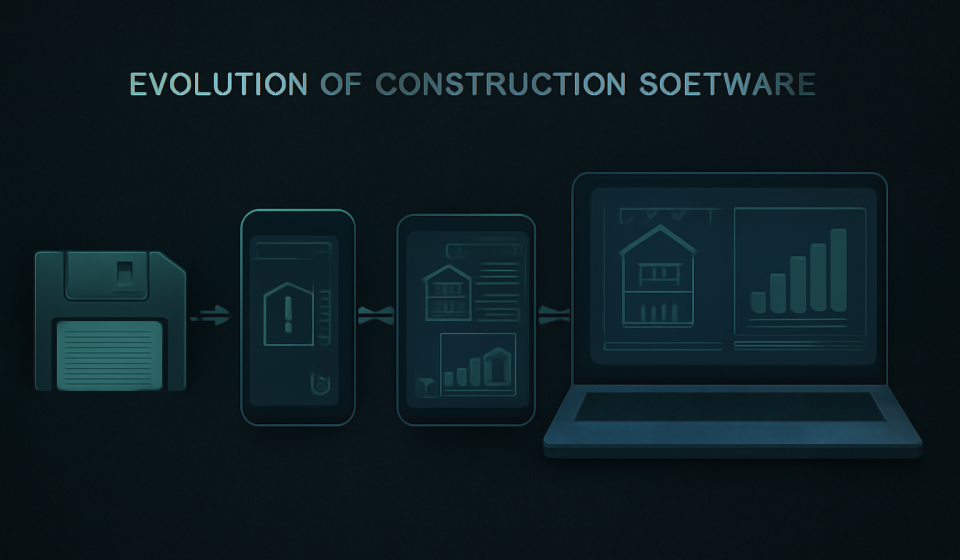
The current landscape of construction software is a mixed bag. Many companies are still heavily invested in legacy systems that were designed for a different era. These systems often struggle to integrate with newer technologies, leading to data silos and inefficiencies.70%
of construction firms still rely on outdated software solutions.
80%
of companies believe that new technologies can improve project efficiency.
The Debate: Centralized Systems vs. Flexible Solutions
During a recent debate at Bricks and Bytes Fight Night, two industry experts, Dustin and KP, presented differing views on the necessity of centralized systems of record. Dustin argued for the importance of structured systems for accuracy and traceability, particularly concerning contracts and litigation. He stated, "Companies that have systems of records in place will have better success adopting AI." In contrast, KP advocated for a more flexible approach, suggesting that systems of record can exist outside traditional software applications. His perspective emphasizes the need for adaptability in a rapidly changing industry.
Relying on legacy systems can increase the risk of data breaches, reduce operational efficiency, and hinder the adoption of innovative technologies like AI and machine learning. As KP noted, "Our industry is designed to operate litigate," emphasizing the need for precise and accessible data management.
Transitioning requires a strategic approach. Companies can start by identifying key pain points in their current systems, investing in training for new software, and establishing clear data management practices. Adopting Managed Cloud Platforms (MCPs) can also facilitate a smoother transition.
Embracing New Technologies
AI and other emerging technologies are reshaping the construction landscape. Companies like Alice Technologies and Edify are leading the charge by offering innovative solutions that enhance project management and data analytics. However, companies must be prepared to invest in these technologies and commit to a cultural shift that supports innovation.Challenges with Adoption
Despite the clear benefits, many organizations face challenges in adopting new technologies. A significant barrier is the existing reliance on tools like Excel, which, while simple, can create inconsistencies and inefficiencies across teams. KP pointed out, "There's a reason why Excel continues to exist. People like the freedom of being able to understand things through Excel." This highlights the ongoing struggle between traditional methods and the need for modern solutions.Conclusion
The future of construction software is at a crossroads. While legacy systems have served their purpose, the industry is evolving, and adaptability will be key to survival. Companies that embrace change and invest in innovative technologies will not only improve their operational efficiency but also position themselves as leaders in the construction tech space. As we look forward to discussions around the Great Debate, we encourage all stakeholders in the construction industry to reflect on their current systems and consider how they can align with the future. For more insights and updates, visit the Bricks & Bytes blog and subscribe to our newsletter.Join 2500+ Readers
Get sharp construction tech insight, operator stories, and market signals in your inbox. Subscribe
Bricks & Bytes
Building the future, one byte at a time!
Popular Newsletters
-
Loading Newsletters…